
Garage Door Replacement Guide
Replacing a Garage Door in an HOA Community: What Sugar Land Homeowners Should Check First
A garage door is a large, visible part of a home’s exterior. In an HOA community, replacing it may involve design review in addition to product selection, installation planning, and any municipal requirements that apply to the property.
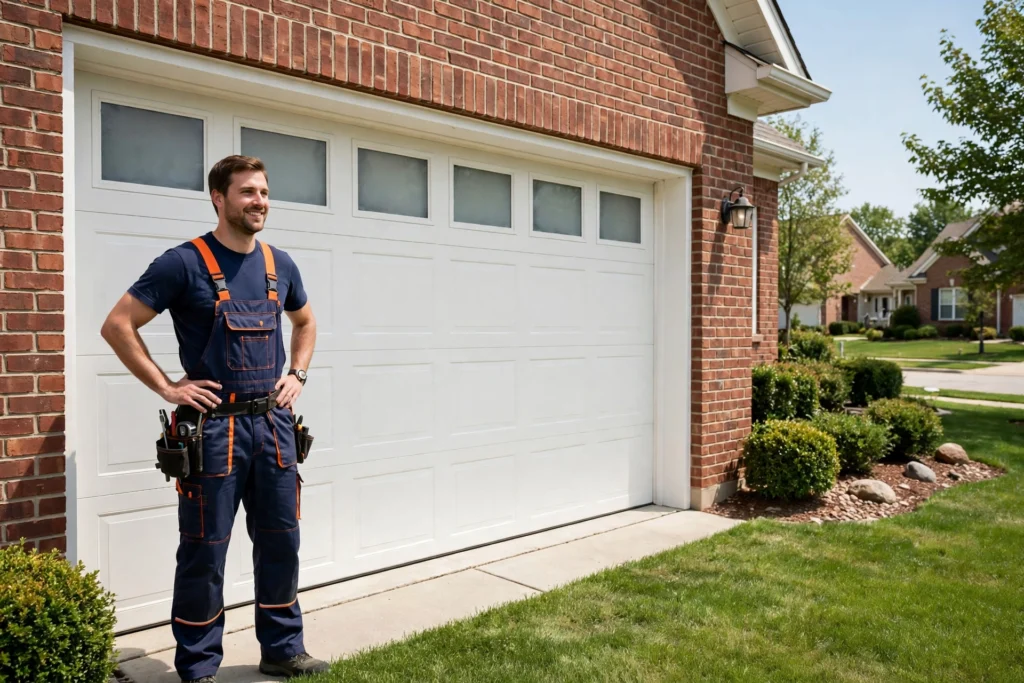
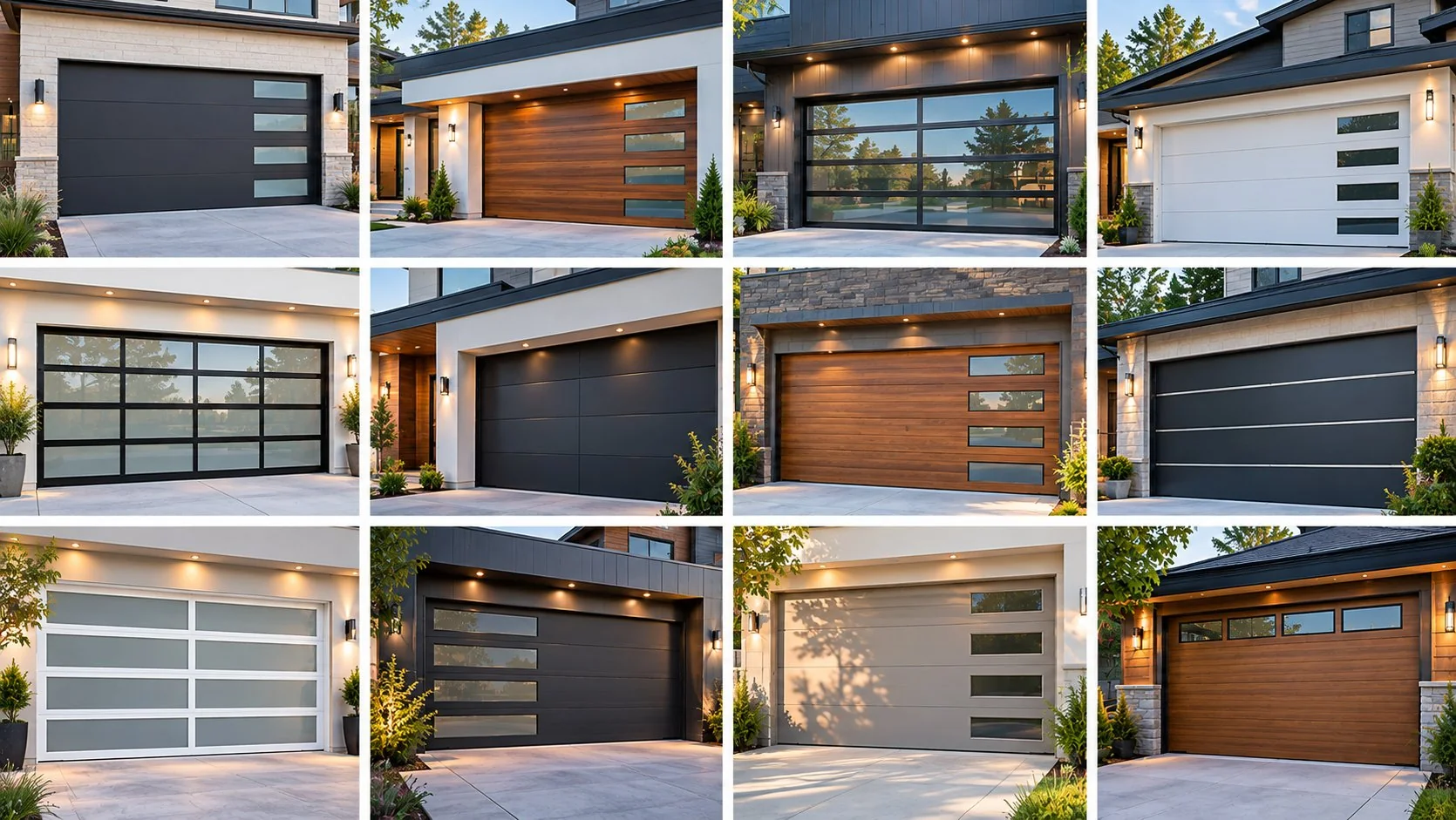
Homeowners sometimes begin with the door itself: insulation, construction, panel design, windows, color, hardware, and opener compatibility. In a deed-restricted community, however, the better first step may be checking the documents and approval process that apply to the property. Ordering a door before that review can create avoidable problems if the proposed exterior appearance does not fit the association’s current guidelines.
Requirements are not uniform across Sugar Land. An association may have its own declaration, restrictions, architectural guidelines, application procedures, or review authority. This guide explains practical questions to investigate, not what any particular association requires, and it is not legal advice.
Why Check Your HOA Rules Before Ordering a Garage Door?
A replacement garage door can change a prominent exterior surface even when the opening stays the same. A different panel pattern, window layout, color, finish, material, or decorative hardware package may look appropriate to the homeowner but differ from an association’s established design standards.
Checking first helps separate three decisions that are often blended together: whether the association reviews the exterior change, whether the selected product fits the home and door system, and whether a city permit or other municipal step applies. Resolving those questions before placing a nonreturnable or custom order can reduce the risk of delays, change fees, or a product that cannot be used as planned.
Start With Your Community’s Governing Documents
The governing documents are the best starting point because they define the rules for that specific property and association. Depending on the community, relevant material may include a recorded declaration or restrictive covenants, architectural guidelines, association rules, and written application procedures.
A declaration or restrictions may establish the association’s authority and broad obligations affecting exterior improvements. Architectural guidelines may translate that authority into design standards or review criteria. Rules and application instructions may explain where to submit a request, what supporting information is expected, and which committee or board handles review.
Use the current versions supplied by the association or its management company. A neighbor’s past approval, an old brochure, or an archived web page may not reflect today’s process. If the wording is unclear or the homeowner needs an interpretation of legal rights or obligations, that is a question for the association or qualified legal counsel rather than a garage-door contractor.
Does Your HOA Require Architectural Approval?
Requirements vary. Some associations may review exterior-visible replacements, while others may distinguish between an exact like-for-like replacement and a design change. The presence of an architectural committee does not by itself answer what must be submitted for a particular garage door.
Homeowners can look for sections covering exterior alterations, improvements, visible building components, architectural control, or prior written approval. They can also ask the association or management contact whether garage-door replacement needs an application and which current document governs the decision.
Texas Property Code Section 209.00505 addresses an “architectural review authority” and, for associations within the section’s scope, provides procedures connected with denial and appeal of improvement applications. The statute has limits and exceptions, so it should not be treated as proof that every association or project follows the same process.
What Garage Door Details May Be Reviewed?
An association may consider how the proposed door affects the home and the surrounding streetscape. Possible review points include the overall style, panel configuration, color, finish, material, window placement, glass appearance, decorative handles or hinges, and how the design coordinates with the home’s architecture.
These are possible considerations, not universal requirements. One community may focus primarily on color and window design, while another may ask for a manufacturer series or elevation drawing. The homeowner should compare the planned door with the actual written criteria rather than assuming that a broadly “traditional” or “modern” label is enough.
Matching the Existing Door vs. Changing the Design
A close visual match may be simpler to document in some situations, particularly when the existing door already coordinates with neighboring homes. But “same size” does not necessarily mean “same appearance,” and like-for-like replacement should not be assumed automatically exempt from review.
Before changing the design, verify whether the community addresses panel shape, window proportions, color families, decorative hardware, or consistency between multiple doors on the same elevation. When matching is the goal, compare actual manufacturer information and clear photographs. Color names alone can be misleading because finishes from different product lines may vary.
Communities such as Greatwood, Telfair, New Territory, Riverstone, First Colony, and Sugar Creek illustrate the variety of neighborhoods in and around Sugar Land; their names do not imply a shared rulebook. Homeowners should identify the association and documents that apply to their own lot.
What Information Should You Gather Before Applying?
A complete, easy-to-review package can help the association understand what is being proposed. The exact submission requirements vary, but useful preparation may include:
- The manufacturer, product line, model, and construction description.
- A brochure, specification sheet, rendering, or manufacturer image.
- The proposed color, finish, panel design, window pattern, and glass option.
- Opening dimensions and the number of doors affected.
- Current photographs showing the door and surrounding elevation.
- Contractor information or an estimate if the application requests it.
- Any product documentation relevant to wind, construction, or installation.
Do not send sensitive or unnecessary information merely because it is available. Follow the association’s current form and provide the items it requests, adding concise product details where they make the proposed appearance clearer.
HOA Approval vs. City Permit: They Are Not the Same Thing
HOA approval and municipal permitting answer different questions. An association generally evaluates a project under its governing documents and architectural standards. The City of Sugar Land administers permits and inspections to address applicable building codes, ordinances, and related municipal requirements.
Approval from one does not automatically establish approval from the other. An HOA approval letter is not a city permit, and a city permit does not establish that the proposed appearance complies with private association requirements.
Sugar Land’s official permit resources state broadly that work involving alteration, repair, replacement, improvement, or installation of a structure or building service equipment may require a permit. The city provides an online Citizen Self-Service portal and directs project-specific questions to its Permits Office. Because the appropriate permit treatment can depend on the property location and scope of work, this article does not claim that every garage-door replacement requires the same permit. Confirm the current requirement with the city for the specific address and project.
What If the Existing Garage Door Is Damaged?
Vehicle impact, storm damage, a displaced track, damaged panels, or a door that no longer moves safely can create an urgent practical problem. Safety comes first: do not keep operating a visibly damaged, crooked, binding, or unusually heavy door simply to maintain normal access.
Urgency and architectural approval remain separate considerations. A homeowner can secure the area, arrange a professional condition assessment, document the damage with photographs, and promptly contact the association about any emergency or expedited procedure it may offer. The existence and details of such a procedure cannot be assumed.
Temporary stabilization, repair feasibility, and full replacement also involve different technical decisions. Avoid removing springs, cables, brackets, or other high-tension components. If replacement is needed, retain documentation showing the original condition and the proposed product so the safety response and design review remain clearly recorded.
How to Avoid Delays Before Replacement
Begin the document review while evaluating door options, not after an order is placed. Identify the correct association contact, current form, submission method, and supporting materials. Ask whether written approval should be received before ordering or scheduling work.
Use a product configuration that is specific enough to review. “White steel garage door” may omit the panel pattern, finish, windows, and hardware that determine exterior appearance. Keep copies of the application, attachments, correspondence, approval, and any city permit records that apply.
Account for review time without relying on an assumed deadline. Processing may depend on the association, completeness of the application, meeting schedules, follow-up questions, and applicable law. If timing is important, ask the reviewing body directly and avoid promising an installation date before required decisions are documented.
Garage Door Replacement Planning Checklist
| Before Ordering | What to Verify | Why It Matters |
|---|---|---|
| Identify the correct association | Current governing documents and review contact | Rules and processes can differ between communities. |
| Define the proposed design | Panel, color, material, windows, finish, and hardware | Exterior appearance is easier to evaluate when details are specific. |
| Confirm submission needs | Form, photos, product literature, and contractor details | A complete package may reduce avoidable follow-up. |
| Check municipal requirements | Project-specific guidance from Sugar Land or the proper jurisdiction | HOA review and municipal permitting are separate. |
| Wait for required decisions | Written approval and any applicable permit | Custom orders and scheduling may be difficult to reverse. |
| Retain records | Application, attachments, decisions, and permit documents | Records preserve what was submitted and approved. |
Questions to Ask Your HOA or Architectural Committee
- Is approval required for garage-door replacement?
- Is a visually like-for-like replacement handled differently?
- Are particular colors, panel styles, materials, or finishes addressed?
- Are windows or decorative hardware permitted, limited, or reviewed?
- What photographs, drawings, product sheets, or contractor details are required?
- How and where should the request be submitted?
- Should written approval be obtained before ordering the door?
- Where can I obtain the current architectural guidelines and application form?
Frequently Asked Questions
Do I need HOA approval to replace my garage door?
It depends on the governing documents and procedures that apply to the property. Check the current declaration, restrictions, architectural guidelines, and application instructions, or ask the association’s authorized contact.
Can an HOA control garage-door color or style?
An association may have architectural standards addressing exterior appearance, but the scope and enforceability of those standards are community- and fact-specific. Review the applicable documents rather than assuming a universal rule.
Does replacing a garage door with the same design require approval?
A like-for-like replacement may be handled differently in some communities, but it should not be assumed automatically exempt. Confirm whether the association requires notice, an application, or written approval.
Is HOA approval the same as a city permit?
No. HOA review concerns private governing documents and architectural standards; municipal permitting concerns applicable public codes and ordinances. Approval from one does not replace the other.
Should I order the garage door before HOA approval?
If approval is required, ordering first can create risk—especially for a custom product. Verify the process and ask whether written approval should be received before ordering or scheduling installation.
What if my garage door is damaged and needs urgent replacement?
Stop using a visibly unsafe door and arrange an appropriate condition assessment. Document the damage and promptly contact the association about any emergency procedure it may have; also confirm any municipal requirements for the work.
Primary Sources and Further Reading
- Texas Legislature — Property Code Chapter 209, including Architectural Review Authority provisions
- Texas Legislature — Property Code Chapter 202, Restrictive Covenants
- City of Sugar Land — Permits and Inspections
- City of Sugar Land — Residential Permit Resources
- City of Sugar Land — Permits and Inspections FAQs